

Vitamin E: Tocopherol The Magic of Vitamin E
Vitamin E is a group of fat-soluble compounds with powerful antioxidant properties that play an important role in protecting our cells—and are an essential component of a balanced diet.
Introduction
Vitamin E is a group of fat-soluble compounds with antioxidant properties considered important for numerous bodily functions. It consists of eight chemical forms, with alpha-tocopherol being the most well-known due to its attributed highest biological activity.
Vitamin E helps protect cell membranes from oxidative stress by neutralizing free radicals. This function is considered particularly relevant for skin health, immune function, and eye health. Additionally, vitamin E plays a role in neurological function and is being investigated in research for potential preventive effects against chronic diseases.
Biochemistry and Forms of Vitamin E
Vitamin E is an umbrella term for a group of fat-soluble compounds known as tocopherols and tocotrienols, each occurring in four forms: alpha-, beta-, gamma-, and delta-. Chemically, these forms differ in the number and position of methyl groups on the chromanol ring.
Natural Vitamin E (d-alpha-tocopherol)
Has a specific spatial arrangement that makes it more bioavailable to the body. Found in foods such as nuts, seeds, and plant oils.
Synthetic Vitamin E (dl-alpha-tocopherol)
Contains a mixture of different forms considered less biologically active. Differences in absorption and efficacy in the body remain subjects of ongoing research.

Alpha-Tocopherol (Vitamin E) – Structural Formula
Biological Functions and Mechanisms of Action
Role as an Antioxidant
Vitamin E is considered one of the most important fat-soluble antioxidants in the body. It protects cell membranes, lipoproteins, and other fat-soluble cellular components from oxidation by free radicals. This protective function is considered crucial for maintaining cellular integrity across various tissues and organs.
Interaction with Other Nutrients
Vitamin E interacts synergistically with other antioxidants, particularly vitamin C. Vitamin C can regenerate oxidized vitamin E back to its active form, allowing both vitamins to exert their antioxidant properties more effectively. Vitamin E also works together with selenium, a trace element required for the function of various antioxidant enzymes. These interactions underscore the importance of a balanced, nutrient-rich diet.
Sources of Vitamin E
Vitamin E is found in a wide variety of foods. Here are the most important natural sources:
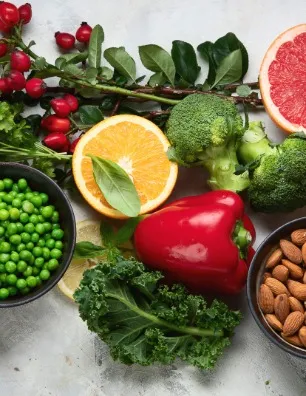
Plant Oils
Wheat germ oil, sunflower oil, and olive oil are among the richest sources of vitamin E.
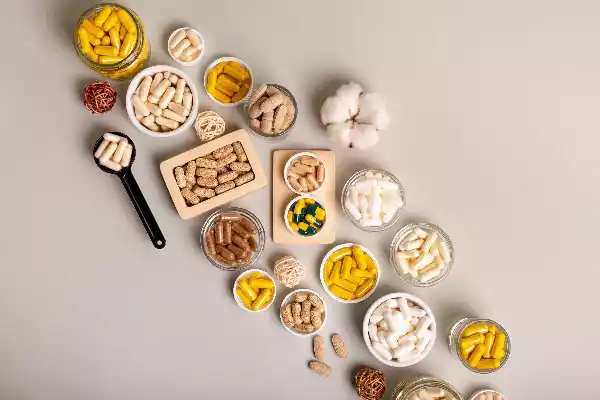
Nuts & Seeds
Almonds, sunflower seeds, and hazelnuts provide high amounts of natural vitamin E.
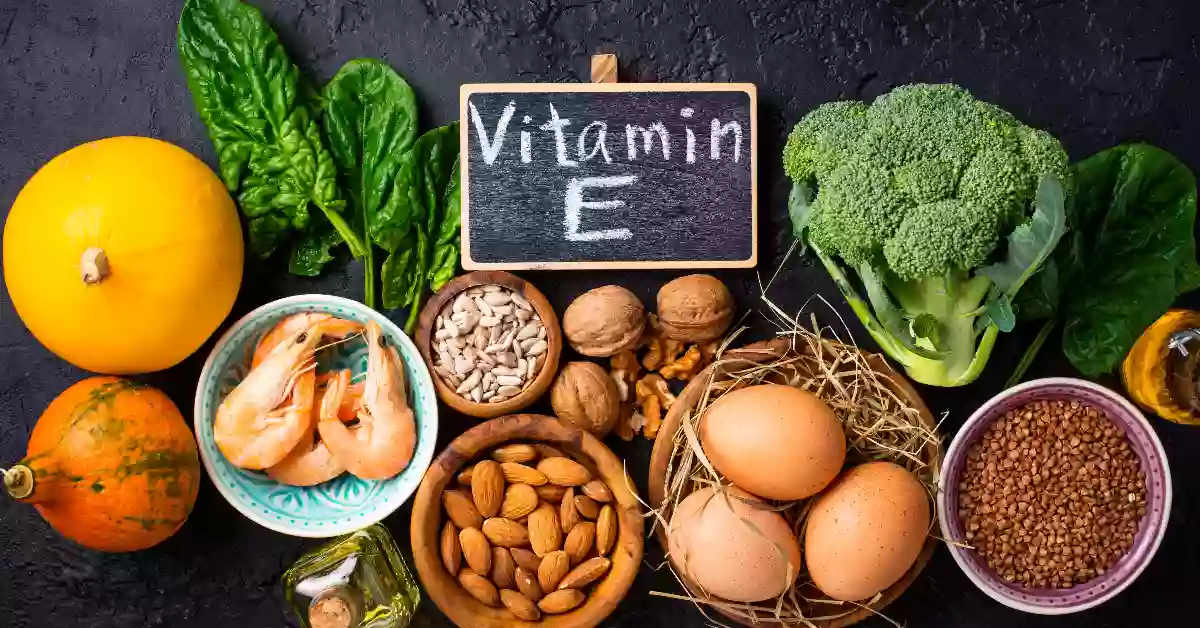
Green Vegetables
Spinach, broccoli, and Swiss chard also contain notable amounts of vitamin E.
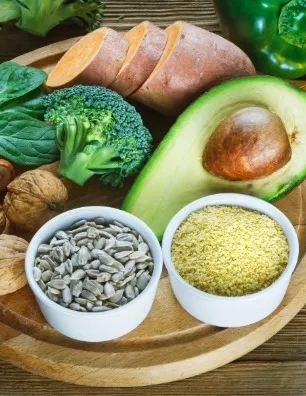
Additional Sources
Avocado, salmon, and red bell peppers also contribute to vitamin E intake.
| # | Food | Vitamin E per 100 g |
|---|---|---|
| 1 | Wheat germ oil | 174 mg |
| 2 | Sunflower seeds | 62.5 mg |
| 3 | Almonds | 25.9 mg |
| 4 | Pine nuts | 12.5 mg |
| 5 | Hazelnut oil | 9.96 mg |
| 6 | Avocado | 3 mg |
| 7 | Red bell pepper | 2.9 mg |
| 8 | Salmon | 2.4 mg |
| 9 | Swiss chard | 1.5 mg |
| 10 | Pumpkin | 1.1 mg |
Dietary Supplements
Vitamin E supplements may be beneficial in certain health conditions or cases of impaired absorption. However, high doses from supplements can cause adverse effects in some individuals, particularly when combined with certain medications. Supplementation should always be discussed with a healthcare provider or registered dietitian.
Vitamin E Deficiency: Causes and Symptoms
Vitamin E deficiency is rare in the general population but can occur under specific conditions:
-
Fat Malabsorption Disorders
Conditions such as cystic fibrosis or Crohn’s disease can impair absorption of fat-soluble vitamin E.
-
Very Low-Fat Diets
Because vitamin E is fat-soluble, extremely low-fat diets may lead to inadequate intake.
-
Genetic Metabolic Disorders
Rare genetic disorders affecting vitamin E metabolism can increase deficiency risk.
Possible Symptoms of Deficiency
-
Neurological Complaints
Coordination problems, muscle weakness, and numbness have been associated with vitamin E deficiency.
-
Immune System
Prolonged deficiency may adversely affect immune function.
-
Children
According to medical societies, deficiency in children may be associated with growth retardation and developmental delays.
Vitamin E and Disease Prevention
The role of vitamin E in preventing various diseases is the subject of intensive research. Results are not always conclusive—here is an overview of the current scientific evidence:
Cardiovascular Disease
Observational studies suggest a possible association between vitamin E intake and reduced risk of coronary heart disease. However, intervention studies have not consistently confirmed these observations. Some studies even point to potential negative effects of high-dose vitamin E supplementation.
Findings inconsistentDiabetes
Diabetes is frequently associated with increased oxidative stress. Some studies suggest that vitamin E may beneficially influence endothelial function and certain blood glucose parameters in people with diabetes. However, these findings require confirmation through further research.
Preliminary evidence of potential benefitCancer
The relationship between vitamin E and cancer risk has been extensively studied. While some studies suggest a possible protective effect, the large SELECT trial surprisingly indicated that alpha-tocopherol supplementation might potentially increase prostate cancer risk. Overall, results remain contradictory.
Findings conflictingAlzheimer’s Disease
A 2017 Cochrane review found no evidence that vitamin E prevents progression to dementia in individuals with mild cognitive impairment. Research in this area is ongoing.
No conclusive evidenceDosage and Safety
Recommended Daily Intake
Recommended intake varies by age, sex, and individual health conditions:
| Population | Recommended Intake | Notes |
|---|---|---|
| Adults | 15 mg alpha-tocopherol/day (≈ 22 IU) | Source: German Nutrition Society (DGE) |
| Pregnant women | 15 mg/day | Higher doses only under medical supervision |
| Breastfeeding mothers | 19 mg/day | To meet increased needs during lactation |
Natural vs. Synthetic
Synthetic forms are considered less bioactive and may therefore require higher doses for comparable effects.
Safety and Overdose Risk
Vitamin E is generally considered safe at recommended doses. However, high doses exceeding 400 IU daily may carry risks:
- Increased bleeding risk, particularly when taken concurrently with blood thinners
- Potential negative effects on heart health with long-term high-dose intake
- Potentially increased risk for certain cancers (according to some studies)
Important: Supplementation with vitamin E should always be discussed with a healthcare provider, especially in cases of pre-existing conditions or concurrent medication use.
Current Research and Future Perspectives
Tocotrienols
Beyond the better-studied tocopherols, tocotrienols are increasingly gaining scientific attention. Preliminary research suggests they may offer distinct health benefits beyond those of alpha-tocopherol.
Oncology Applications
Current studies are investigating whether vitamin E can reduce side effects of certain chemotherapy regimens. Results are promising but require further validation.
Personalized Medicine
Future research may explore how individual genetic differences influence the body’s response to vitamin E—a step toward tailored nutritional recommendations.
Long-Term Safety
The safety of various vitamin E forms with long-term, higher-dose supplementation remains an active area of research. New insights may modify recommendations in coming years.
Summary
Vitamin E is an essential nutrient with important antioxidant properties. Obtaining it through a balanced diet—featuring nuts, seeds, plant oils, and green vegetables—is generally preferred. Supplements may be appropriate in specific situations but should be taken under professional guidance. Research on the various forms of vitamin E and their role in disease prevention continues to evolve.
What this means for our kitchen
Vitamins are heat-sensitive — that's why we steam many of our dishes. This preserves up to 90% of water-soluble vitamins. No deep-frying, no overcooking.
→ Our menu
Disclaimer: This article is for general informational purposes only and does not constitute medical advice, diagnosis, or treatment. For health-related questions, please consult your physician or qualified healthcare provider.
Image and video source: Adobe Stock
→ Health & Nutrition at Yung Frankfurt
More on this topic: ← Health