

Nutrient-Rich Foods for a Healthy Heart How Omega-3s, Fiber, and Antioxidants Can Support Heart Health
A balanced diet is considered one of the most important factors for heart health. Discover which foods, according to current research, may be particularly beneficial.
Cardiovascular Disease & Nutrition
Cardiovascular diseases are considered one of the leading causes of health limitations worldwide. According to current research, a significant portion of these conditions can be positively influenced through a balanced diet. A heart-healthy eating pattern can play an important role in prevention and offers a simple yet effective way to promote personal well-being.
From omega-3-rich fish to nutrient-dense vegetables and whole grains—there is an abundance of ingredients that studies have associated with positive effects on heart health. In this article, you’ll learn which foods are considered particularly beneficial and how you can incorporate them into your meal plan.
Omega-3 Fatty Acids: Protection for Your Heart
Omega-3 fatty acids have been associated with numerous positive effects on heart health in scientific research. Studies suggest they may help inhibit inflammatory processes, favorably influence blood pressure, and reduce the risk of cardiac arrhythmias.

Fish
Fatty fish such as salmon, mackerel, and sardines are considered excellent sources of omega-3 fatty acids (EPA & DHA), which can be particularly well utilized by the body.

Plant Oils
Plant-based oils like flaxseed oil and chia oil contain high amounts of alpha-linolenic acid (ALA), a plant-based omega-3 fatty acid considered a precursor to EPA and DHA.
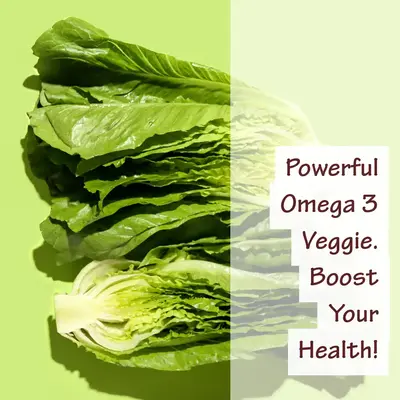
Vegetables & Legumes
Even vegetables like kale and spinach, as well as legumes like mung beans, contain small but notable amounts of omega-3 fatty acids.

Seeds & Nuts
Flaxseeds, chia seeds, and walnuts are considered the best plant-based sources of omega-3s and can be easily integrated into daily life.
Omega-3 Sources at a Glance
Content per 100 g of Food
Fish
| Food | Omega-3 (g/100g) |
|---|---|
| Herring / Pickled herring | 4.2 g |
| Tuna | approx. 3 g |
| Salmon | 2.3 g |
| Trout | 0.9 g |
| Saithe / Pollock | 0.9 g |
Plant Oils
| Food | Omega-3 (g/100g) |
|---|---|
| Chia oil | 60 g |
| Flaxseed oil | 52 g |
| Hemp oil | 17 g |
| Walnut oil | 12 g |
| Canola oil | 9 g |
Vegetables & Legumes
| Food | Omega-3 (g/100g) |
|---|---|
| Mung beans | 0.54 g |
| Kidney beans | 0.52 g |
| Soybean sprouts | 0.52 g |
| Kale | 0.44 g |
| Dandelion greens | 0.29 g |
| Brussels sprouts | 0.24 g |
| Arugula | 0.18 g |
| Spinach | 0.15 g |
| Lamb’s lettuce | 0.14 g |
Seeds, Kernels & Nuts
| Food | Omega-3 (g/100g) |
|---|---|
| Flaxseeds | 20 g |
| Chia seeds | 18 g |
| Walnuts | 10 g |
| Hemp seeds | 8 g |
| Macadamia nuts | 1 g |
Additional Heart-Healthy Foods
Fiber, Antioxidants & Essential Nutrients
-
Whole Grains
Whole grain products are rich in dietary fiber. A study in the Journal of the American College of Cardiology suggests that a high-fiber diet may favorably influence cholesterol levels and reduce the risk of heart disease.
Source: “Dietary fiber intake and risk of cardiovascular disease,” JACC, 2013
-
Nuts & Seeds
Nuts and seeds are considered rich in heart-healthy fats and fiber. A study published in the Archives of Internal Medicine (Albert et al., 2002) suggests that regular nut consumption may be associated with a lower risk of heart disease.
Source: “Nut Consumption and Decreased Risk of Sudden Cardiac Death,” Arch Intern Med, 2002
-
Berries
Berries are known for their high antioxidant content. A meta-analysis suggests that berry consumption may help lower blood pressure—an important factor for heart health.
Source: “Effects of Berries Consumption on Cardiovascular Risk Factors,” Scientific Reports, 2016
-
Dark Leafy Greens
Spinach, kale, and other dark leafy greens are rich in vitamins and minerals. Studies suggest that regular consumption of leafy greens may be associated with a lower risk of heart disease.
Source: “Dietary intakes of green leafy vegetables and incidence of cardiovascular diseases,” 2016
Practical Tips for Everyday Life
Making Heart-Healthy Eating Easy

Embrace Variety with Bowls
Bowls offer a practical way to combine a variety of heart-healthy ingredients in one meal—from omega-3-rich seeds and whole grains to fresh vegetables and berries—creating a nutritionally balanced dish with ease.

Simple × Nutritious
It doesn’t have to be complicated: According to nutritional science, even small changes—like adding walnuts to your cereal, using flaxseed oil in salads, or including fish regularly in your meal plan—can make a positive contribution to heart health.
Quick Guide to Heart-Healthy Eating
The key to heart-healthy eating is variety and consistency—you don’t have to be perfect; start with small, sustainable changes!
| Food Category | Key Nutrients | Heart Health Benefits | Easy Ways to Enjoy |
|---|---|---|---|
| Fatty Fish | Omega-3 (EPA/DHA) | Anti-inflammatory, supports blood pressure, protects heart rhythm | 2–3x/week: baked, steamed, or grilled |
| Flax/Chia Seeds | Omega-3 (ALA), Fiber | Supports vascular health, helps lower cholesterol | Add to oatmeal, yogurt, or salads |
| Walnuts | Omega-3, Antioxidants | Improves vascular function, reduces inflammation | Small handful daily as a snack |
| Whole Grains | Fiber, B Vitamins | Helps regulate cholesterol, stabilizes blood sugar | Swap white rice for brown rice or quinoa |
| Berries | Anthocyanins, Vitamin C | Antioxidant support, may help lower blood pressure | Enjoy fresh or blend into smoothies |
| Dark Leafy Greens | Folate, Magnesium, Vitamin K | Supports vascular elasticity, helps regulate blood pressure | Sauté, add to soups, or toss in salads |
| Olive/Canola Oil | Monounsaturated Fats | Improves lipid profile, protects blood vessels | Use for dressings or low-heat cooking |
Heart Health Starts on Your Plate
A diet rich in omega-3 fatty acids, fiber, and antioxidants is considered by health organizations to be an important cornerstone of heart health. From fatty fish and whole grains to berries and leafy greens—the variety of heart-healthy foods makes it possible to combine enjoyment and wellness. Combined with regular physical activity and a mindful lifestyle, a balanced diet can help support your heart health for the long term, building a stronger foundation for your body and mind.
The Heart Health Formula
Omega-3s + Fiber + Antioxidants + Regular Exercise = A Stronger Heart, For Life
Start today—protect your heart with every bite!
What this means for our kitchen
Pursuing health goals requires a kitchen that thinks ahead. At China Restaurant Yung, we analyse every dish with over 125 nutritional data points — so you can enjoy with full information.
→ Our menu
Disclaimer: This article is for general informational purposes only and does not constitute medical advice, diagnosis, or treatment. For health-related questions, please consult your physician or qualified healthcare provider.
Image and video source: Adobe Stock
More on this topic: ← Health