

Cholesterol and Fructose The Hidden Danger of Fructose
How VLDL and sdLDL may increase the risk of cardiovascular disease – and the role excessive fructose consumption plays in this process.
Fat Formation and the Role of VLDL, LDL, and sdLDL
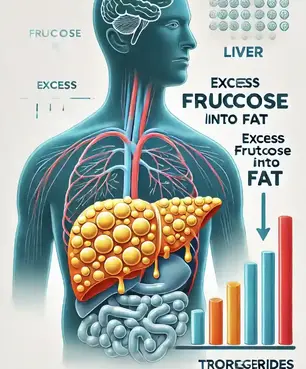
Excessive fructose consumption can trigger an unhealthy cycle in our bodies, particularly through the conversion of fructose into triglycerides – a type of fat stored in our cells. Once fructose reaches the liver, the metabolic process begins, during which a large portion of the fructose is converted into fat. This fat is either stored directly in the liver (which may lead to non-alcoholic fatty liver disease) or released into the bloodstream in the form of VLDL (Very-Low-Density Lipoprotein) particles.
VLDL: Cargo Buoys for Fat
VLDL particles are transport vehicles loaded with fat molecules, tasked with carrying triglycerides from the liver to other parts of the body. You can think of these VLDL particles as “cargo buoys” floating through the bloodstream, delivering their cargo and gradually shrinking in the process. However, when the liver is heavily fatty – due to high fructose consumption, for example – it produces especially large VLDL particles that carry substantial amounts of fat. These “extra-large cargo buoys” shrink into extremely small and dense sdLDL (Small Dense LDL) particles after delivering their fat payload – particles considered particularly dangerous “bad cholesterol.”
Four Key Factors
How fructose, fatty liver, visceral fat, and cholesterol are interconnected:
.webp)
Fructose: The Hidden Sugar
Fructose is present in many processed foods, often as high-fructose corn syrup or added sugars, and is considered one of the primary sources of hidden sugars in our diet.
Visceral Fat: The Invisible Threat
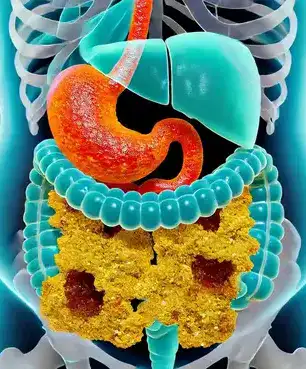
Fat produced from fructose is often stored as visceral fat, which surrounds organs and may increase the risk of metabolic diseases.
The Liver and Fructose
Fructose is converted into fat in the liver. High fructose consumption may lead to fatty liver and increase the risk of insulin resistance.
Fructose and Cholesterol
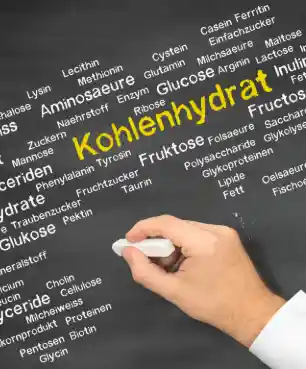
The breakdown of fructose produces VLDL particles, which may become LDL in the body. This can increase the risk of atherosclerosis.
LDL and sdLDL: The Dangerous Cholesterol Particles
LDL particles, particularly the so-called sdLDL (Small Dense LDL), pose a special danger. These small, dense LDL particles have a greater tendency to penetrate artery walls. Once there, they may cause inflammation and promote the formation of plaque – deposits that narrow arteries and can increase the risk of cardiovascular diseases such as heart attacks and strokes.
Particularly problematic is that when the liver is overloaded with fat, VLDL particles become extremely large. After fat delivery, they shrink into especially small, dense sdLDL particles that can settle like “fine sand” into the tiniest crevices of artery walls and penetrate deep into the endothelium (the innermost layer of blood vessels).
-
LDL: The “Bad” Cholesterol
LDL may deposit in arteries and has been linked to increased cardiovascular disease risk. High LDL levels are often associated with excessive fructose and saturated fatty acid intake.
-
HDL: The “Good” Cholesterol
HDL helps transport excess cholesterol back to the liver, where it is broken down. Healthy HDL levels may reduce the risk of heart disease.
-
sdLDL: The True Enemy
Small, dense sdLDL particles are considered especially dangerous because they may more easily penetrate artery walls and cause inflammation, contributing to plaque formation.
-
The Balance Between LDL and HDL
A healthy ratio of HDL to LDL is considered crucial. High fructose consumption may disrupt this balance and weaken HDL’s protective effects.
How Fructose Is Metabolized in the Liver
While glucose can be used directly by nearly all body cells, fructose must first be metabolized in the liver. When we consume fructose, it is transported to the liver, where it can follow two main pathways:
Converted to Fat
When fructose is consumed in excess, it is converted into fatty acids and stored in fat cells. This process may contribute to non-alcoholic fatty liver disease (NAFLD) – a condition commonly observed among people with high fructose intake.
Converted to Glucose
Some fructose can be converted into glucose for use in the body’s energy cycle. However, this occurs to a much lesser extent than conversion to fat.
No Direct Insulin Spike
Fructose does not directly affect the insulin mechanism – it does not raise blood sugar levels and does not trigger immediate insulin release. However, long-term fat buildup in the liver may contribute to insulin resistance.
Visceral Fat as a Consequence
Most of the fats are released into the bloodstream as triglycerides and stored as visceral fat – particularly concerning because it surrounds organs and may impair their function.
The Vicious Cycle of Fat Formation and Deposition
When the body is regularly overloaded with high amounts of fructose, VLDL metabolism may become dominant. A vicious cycle can emerge: the liver produces more triglycerides and VLDL particles to eliminate excess fat. However, these VLDL particles transform into LDL and sdLDL, which in turn may increase the risk of artery blockages.
| Step | What Happens | Consequence |
|---|---|---|
| 1. Fructose | Reaches the liver | Converted into fat (triglycerides) |
| 2. Fatty Liver | Fat accumulates in the liver | NAFLD, insulin resistance |
| 3. VLDL | Large cargo buoys transport fat | Released into the bloodstream |
| 4. sdLDL | VLDL shrinks after fat delivery | Small, dense particles lodge in arteries |
| 5. Plaque | Inflammation in artery walls | Increased risk of heart attack, stroke |
Studies suggest that people with high sdLDL levels have a significantly greater risk of cardiovascular disease than those with normal LDL levels. Fatty liver is often the first step toward insulin resistance, as the liver becomes unable to process sugar efficiently.
Nutrition as a Protective Factor
A conscious diet may help positively influence cholesterol levels:
Plant-Based Foods
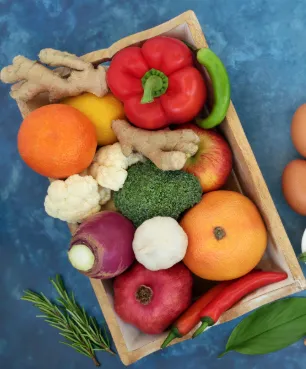
Legumes, whole grains, fruits, and vegetables contain no cholesterol and are rich in fibre, which may help lower cholesterol levels.

Nuts and Seeds
Almonds, walnuts, and chia seeds contain healthy fats and omega-3 fatty acids that may help raise HDL levels and support heart health.
.webp)
Avoid Saturated Fats
Saturated fats from animal products may raise LDL levels. Plant-based fats like olive oil and avocados are considered more heart-friendly.

Reduce Sugar
Processed sugars and refined carbohydrates may raise insulin levels and promote fat storage. A low-sugar diet can help regulate cholesterol.
Prevention Through Conscious Nutrition
- Omega-3 Fatty Acids: Flaxseeds, chia seeds, and walnuts may support heart health and help lower LDL and triglyceride levels.
- Antioxidants: Berries, green vegetables, and nuts contain antioxidants that may combat inflammation and protect arteries from plaque formation.
- Fibre: Particularly soluble fibre from oats, beans, and fruits may bind cholesterol in the intestines and help remove it from the body.
- Plant-Based Nutrition: A plant-based diet is low in saturated fats and rich in nutrients that may help minimize the risk of cholesterol deposits.
The Role of HDL and Cholesterol
While LDL and sdLDL are considered “bad cholesterol,” there is one type known as “good cholesterol”: HDL (High-Density Lipoprotein). HDL particles play a protective role by transporting excess cholesterol from arteries back to the liver, where it is broken down and excreted. You can think of HDL as small “cleaning buoys” that swim through the bloodstream, clearing away harmful cholesterol particles before they can cause damage.
However, with high fructose consumption, the liver may increase production of VLDL particles – the precursors to LDL and sdLDL. This can disrupt the balance between HDL and LDL: so many LDL particles may be produced that HDL’s protective effect becomes relatively insufficient to adequately remove excess cholesterol from arteries.
The Formula for Healthy Cholesterol Balance
Less fructose & saturated fats → less VLDL → less sdLDL → less plaque → healthier arteries
Recognizing the Hidden Danger
The connection between fructose and cholesterol reveals how important it is to identify hidden sugars in our diet. Excessive fructose consumption may trigger a cascade of metabolic disruptions through the liver – from fatty liver to elevated sdLDL to increased cardiovascular disease risk. A conscious, plant-based diet rich in fibre and healthy fats may help break this cycle.
Disclaimer: This article is for general informational purposes only and does not replace medical advice, diagnosis, or treatment. Please consult your physician for any health-related questions.
Image and video source: Adobe Stock