

Not All Fiber Is Created Equal The Invisible Shield for Liver and Gut Health
Soluble and insoluble fibers are considered to potentially play distinct roles in the body. According to current nutritional perspectives, including both types in your diet may be one component of a balanced approach to wellness.
Why Fiber Isn’t One-Size-Fits-All
In a world where processed foods are widely available, the value of fiber-rich eating patterns is sometimes overlooked. Dr. Robert Lustig has offered perspectives suggesting that not all dietary fibers may function identically. By distinguishing between soluble and insoluble fibers, he has proposed that including both types could potentially support the body’s natural processes.
Dietary fiber is considered to potentially be associated with several aspects of wellness: including modulation of nutrient absorption, support for gut microbial diversity, assistance with liver function, and as one element within an overall balanced dietary pattern.
Perspectives from Dr. Lustig’s Work
Inspired by themes discussed in “How Food Affects Health”
On the Concept of a “Protective Gel”
Some scientific perspectives suggest that soluble and insoluble fibers may collectively contribute to the intestinal environment. Certain theories propose that fiber could potentially be associated with the rate at which nutrients are absorbed—a mechanism that remains an area of ongoing research in metabolic health.
On Gut Microbiome Balance
Dr. Lustig has highlighted the importance of gut microorganisms in his discussions. He has suggested that fiber-rich dietary patterns may be associated with greater diversity in gut bacteria. These microorganisms are considered to potentially be linked not only with digestion but also with broader aspects of well-being.
Dr. Lustig has also noted that food processing methods may influence the retention and functionality of dietary fiber. He has encouraged consideration of both the degree of processing and the quality of fiber sources as factors that may be relevant to dietary choices.
Reference: Lustig, Robert H. (2021). Wie unser Essen uns krank macht. Riva Verlag, ISBN 978-3-7423-1724-7. (This summary highlights general themes; please consult the original work for detailed discussion.)
Four Potential Benefits of Dietary Fiber
Based on widely shared perspectives in nutrition science
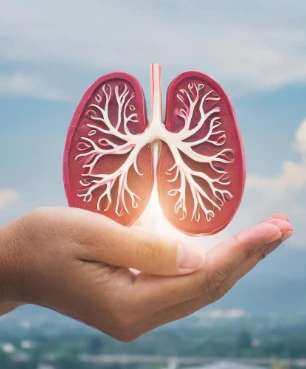
Supporting Nutrient Absorption Patterns
Some research perspectives suggest that dietary fiber may be associated with the formation of gel-like substances in the gut, which could potentially influence the rate of sugar absorption. This mechanism is considered one topic among many in ongoing metabolic health research.
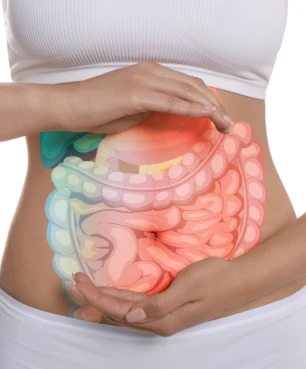
Supporting a Balanced Gut Environment
Dietary fiber is considered to potentially serve as one source of nourishment for beneficial gut microorganisms. These microbes are thought to possibly be associated with digestive function and overall wellness.

Supporting Satiety Experiences
Fiber may be associated with how food moves through the digestive tract. Some perspectives suggest this could potentially support natural feelings of fullness as part of a balanced eating pattern.

As Part of a Holistic Dietary Pattern
Insoluble fiber is considered to potentially play a role in supporting regular digestive function. Including a variety of fiber types is viewed by many as one possible component of an overall approach to digestive wellness.
Soluble vs. Insoluble Fiber
Both types are considered to offer distinct yet complementary characteristics
Soluble Fiber
| Aspect | Overview |
|---|---|
| General Properties | Can combine with water to form a gel-like substance in the gut |
| Common Sources | Oats, apples, citrus fruits, carrots, barley, legumes, flaxseeds |
| Culinary Use | Versatile additions to meals; pairs well with many flavors |
| Scientific Perspective | Some research explores potential associations with blood sugar and cholesterol metabolism |
Insoluble Fiber
| Aspect | Overview |
|---|---|
| General Properties | Less soluble in water; considered to potentially support digestive regularity |
| Common Sources | Whole grains, wheat bran, nuts, beans, cauliflower, potato skins, green beans |
| Culinary Use | Adds texture and heartiness to dishes; excellent in salads, sides, and mains |
| Scientific Perspective | Some research explores potential associations with digestive comfort and regularity |
Many whole foods naturally contain both types of fiber. Including a variety of plant-based foods is considered one possible approach to balanced nutrition.
Fiber-Rich Options on Our Menu
| Category | Examples | How We Feature Them |
|---|---|---|
| Whole Grains | Brown rice, oats, quinoa, whole wheat | Wholesome bases for bowls, sides, and breakfast options |
| Fruits | Apples, pears, citrus, berries | Fresh, in salads, or as natural dessert accents |
| Root Vegetables | Carrots, sweet potatoes, potatoes (with skin) | Roasted, stewed, or in soups—comforting and nourishing |
| Legumes & Plant Proteins | Chickpeas, lentils, black beans, tofu | Hearty mains, salads, or warming soups |
| Leafy & Cruciferous Greens | Spinach, kale, broccoli, cabbage | Lightly sautéed, steamed, or fresh in salads |
| Nuts & Seeds | Almonds, walnuts, chia, flax | Garnishes, in dressings, or blended into beverages |
Balance May Be Key
Dr. Lustig’s perspectives invite us to consider fiber intake with nuance—not just whether we’re getting fiber, but which types and how they complement one another. Choosing diverse vegetables, fruits, whole grains, and legumes, and prioritizing less processed options, is considered by many to be a simple starting point for balanced eating.
A Simple Fiber-Focused Formula
Variety of Fiber Sources + Minimal Processing + Balanced Pairing = One Possible Approach to Supporting Overall Dietary Balance
Foods that undergo less processing often retain more of their natural fiber and nutrients. Choosing whole, recognizable ingredients is considered by many to be a simple starting point for balanced eating.
Reference: Lustig, Robert H. (2021). Wie unser Essen uns krank macht. Riva Verlag. ISBN 978-3-7423-1724-7.
Disclaimer: This content is provided for general informational purposes regarding food, nutrition, and scientific perspectives only. It does not constitute medical advice, diagnosis, or treatment. All health-related decisions should be made in consultation with qualified healthcare professionals.
Image source: Adobe Stock
What this means for our kitchen
At China Restaurant Yung, we put this knowledge into practice every day. Our dishes are gently prepared — steamed, low-temperature cooked, or wok-tossed with controlled heat — so nutrients stay where they belong: on your plate.
→ Our menu