

What Are Some Dim Sum Dishes – Chinese dish, ingredients & origin
What are popular Dim Sum dishes?
Dim Sum are not simply small bites. They are a central part of Cantonese food culture, shared at the table, accompanied by tea, and defined by craftsmanship, texture, and balance.
Popular dim sum dishes have endured for generations because they are technically demanding, light to eat, and able to deliver depth in small portions.
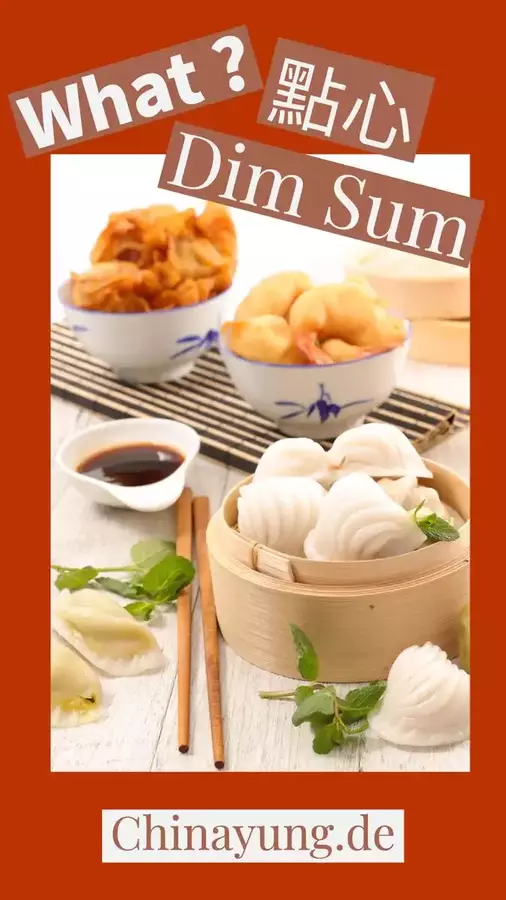
Why certain Dim Sum became classics
What is considered “popular” is rarely accidental.
Classics represent clear techniques: crystal dough, precise fillings, controlled steaming, or exact frying.
They are popular because they are reliable, easy to share, and their quality is evident in the first bite.
Har Gao (蝦餃): the benchmark of skill
Har Gao are considered the supreme discipline of dim sum.
The crystal dough must be extremely thin, turn translucent when steamed, and must never stick to the teeth.
The shrimp should remain crisp, the bite clean. Har Gao forgive no mistakes — which is why they are so highly regarded.
Siu Mai (燒賣): open, honest, texture-driven
Siu Mai are open-faced, leaving nothing hidden.
In the classic Cantonese version, meat is deliberately combined with shrimp to create a springy, juicy texture.
Good Siu Mai are structured and succulent, never soft or mushy.
Jiaozi (餃子): variety through filling
Jiaozi are widespread across China and especially popular in a dim-sum context because their fillings can vary endlessly.
The key lies in the balance between dough, juiciness, and proper marination — only then do they remain aromatic and precise rather than heavy.
Steamed classics: light and digestible
Steamed dim sum form the backbone of a well-composed menu.
Steaming preserves structure, aroma, and is generally lighter than many other cooking methods.
Fried Dim Sum: crisp when done right
Fried dim sum are not fast food — they are technique.
Popular examples include sesame balls and taro balls.
When executed properly, they are crisp on the outside, tender inside, and never greasy. Dough moisture and oil temperature are decisive.
Vegetarian & vegan Dim Sum: traditionally rooted
Vegetarian dim sum are not a modern invention; they are deeply rooted in tradition, especially in temple and everyday cuisine.
Dishes such as jiaozi with tofu and mushrooms show how demanding plant-based texture can be when no additives are used.
How to compose a good Dim Sum menu
A good dim sum menu thrives on contrast:
Popular dim sum complement each other. A menu is built like a rhythm, not a checklist.
Conclusion: popular means craftsmanship
Popular dim sum dishes are those where true craftsmanship becomes visible: clarity of bite, clean texture, balanced filling.
Anyone who understands Har Gao, Siu Mai, and Jiaozi understands dim sum — and can enjoy it consciously.