

Broccoli – meaning & use in Chinese cuisine
Broccoli – The Green Newcomer in TCM
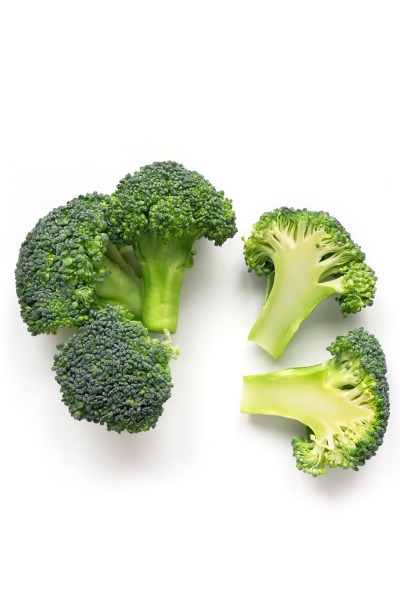
Broccoli („Xī Lán Huā“, 西蘭花 – literally „western orchid flower“) represents an interesting case of modern culinary integration: originally from the Mediterranean, it reached China only in the 20th century and is therefore not a traditional TCM ingredient. Nevertheless, modern Chinese medicine has analyzed its properties and adapted it as a valuable vegetable for „clearing heat“ and „eliminating toxins“. With its characteristic green pigment (chlorophyll) and high vitamin C density, broccoli acts slightly cooling and liver-strengthening in TCM – ideal for internal heat, cloudy-headedness or after fatty meals. Unlike traditional crucifers like Gai Lan (芥蘭), it works more subtly, yet its nutrient profile makes it an ideal companion for modern lifestyles with environmental stressors and pressure.TCM note: Broccoli is not a classical TCM medicinal herb but a foodstuff that modern TCM analysis attributes certain energetic properties to. Its effect is mild and preventive – not acutely therapeutic.


TCM Classification Overview (modern analysis)
| Element | Wood (木) primary – through green color and liver effect; Earth (土) secondary – through fiber for Spleen/Intestine |
|---|---|
| Flavor | Sweet (甘) + slightly Bitter (苦) |
| Temperature | Neutral to slightly cooling (平~凉) |
| Primary Organs | Liver (肝), Stomach (胃), Large Intestine (大肠) |
| Actions | Regulate Liver Qi, clear mild heat, eliminate toxins, regulate intestines, prevent cancer (modern view) |
| Special Feature | Not a classical TCM herb – modern integration based on color, flavor and nutrient profile |
Important: This classification does not originate from classical TCM texts (Shennong Bencao Jing etc.) but from modern nutritional TCM of the 20th/21st century. Traditionally, native crucifers like Gai Lan (芥蘭) or You Cai (油菜) were used instead.
Botany & Historical Context
Broccoli (Brassica oleracea var. italica) belongs to the Brassicaceae family and is closely related to cauliflower, kale and cabbage. Its origin lies in the eastern Mediterranean (Asia Minor), from where it traveled via Italy to Northern Europe. Broccoli arrived in China only in the 1970s–1980s through Western influence and has since been appreciated mainly in urban areas as a „health vegetable“.Traditional Chinese alternative: Gai Lan (芥蘭, Chinese broccoli/kailan) – native crucifer with similar but more intense TCM effect: stronger heat-clearing, more bitter, traditionally used for Liver Heat. Broccoli is considered a milder, Western variant for sensitive constitutions.
Nutritional Profile per 100 g (Source: AOK)
Broccoli is a nutrient concentrate with extremely low calories:• Energy: 34 kcal
• Fat: 0.2 g
• Vitamin C: 115 mg (144% daily value) – strengthens immunity
• Vitamin K: 101 µg (135%) – important for blood clotting and bones
• Vitamin A: 71 µg (as beta-carotene)
• Folate: 39 µg – cell division
• Potassium: 256 mg, Calcium: 58 mg, Magnesium: 24 mg, Iron: 0.8 mg
In modern TCM, high vitamin C and chlorophyll content reflect the ability to „clear heat“ and „eliminate toxins“ – particularly relevant for environmental pollutants and oxidative stress.
Key Actions in Modern TCM Application
1. Regulate Liver Qi: Green color and slight bitterness calm the Liver – ideal for stress, irritability or dry eyes.2. Clear mild heat: For mild internal restlessness, red face after alcohol or fatty food.
3. Regulate intestines: Fiber (2.6 g/100g) promotes gentle bowel movement – for mild constipation due to dryness.
4. Eliminate toxins: Sulforaphane and other glucosinolates support liver detoxification – modernly confirmed, interpreted in TCM as „clearing heat from Liver/Gallbladder“.
5. Prevent cancer (modern view): Sulforaphane inhibits tumor development – understood in TCM as „resolving Blood stasis“ and „eliminating toxins“.
Warning: Broccoli acts MILDLY – for acute heat symptoms (high fever), classical herbs like Jué Míng Zǐ (Cassia) are more effective.
Culinary Application – West-East Fusion
In modern Chinese cuisine, broccoli is rarely served solo but combined with traditional ingredients:• Broccoli with oyster sauce: Cantonese classic – blanch broccoli, stir-fry briefly with Lee Kum Kee Panda oyster sauce and garlic. The warm sauce balances broccoli’s slight coolness.
• Broccoli-shrimp stir-fry: With fresh ginger and Shaoxing wine – ginger neutralizes coolness, strengthens Spleen.
• In soups: Add 5 minutes before end of cooking clear chicken soup – never boil long (destroys vitamin C).
• Important: Always briefly blanch or steam – raw is hard to digest; overcooking destroys nutrients and increases flatulence.
Herbal Combinations by Modern TCM Logic
With ginger: Neutralizes slight coolness – ideal for sensitive stomachs.With garlic: Enhances „toxin-eliminating“ effect – classic combination for environmental stress.
With shiitake mushrooms: Mushrooms strengthen Qi, broccoli clears heat – balance between nourishing and eliminating.
With carrots: Carrots (warm) balance broccoli (slightly cool) – harmonious temperature for the Center.
Never combine with: Strongly cooling foods like watermelon – would overemphasize coolness and weaken Spleen.
Dosage & Preparation
Daily amount: 100–200 g fresh per person – no more, as flatulent.Optimal preparation:
1. Separate into small florets
2. Blanch 60–90 seconds in boiling water (color stays vibrant green)
3. Immediately shock in ice water (stops cooking process)
4. Stir-fry max. 2–3 minutes with garlic/ginger
Avoid: Raw consumption (hard to digest), cooking over 5 minutes (nutrient loss, flatulence).
Storage: Vegetable compartment max. 3–4 days – yellow flowers = vitamin C loss.
Contraindications & TCM Precautions
Relatively contraindicated with:• Strong Spleen Qi deficiency with chronic diarrhea (cooling effect aggravates symptoms)
• Gout in acute phase (contains purines – though low)
• Hypothyroidism (raw contains goitrogens – cooked safe)
• Flatulence tendency (due to raffinose – always combine with cumin or fennel)
TCM wisdom: Broccoli is a „light“ vegetable – it complements nutrition but does not replace traditional medicinal herbs for acute complaints. Its strength lies in prevention, not acute therapy.
Summary – The Green Bridge Builder
Broccoli embodies a modern TCM truth: health arises not through rigid tradition but through wise adaptation. It is not a replacement for classical medicinal plants but a valuable daily companion for the challenges of modern lifestyle – environmental toxins, stress, dietary errors. Its true power unfolds not as a solo actor but in harmonious combination with traditional ingredients like ginger or oyster sauce. Whoever eats broccoli does not eat "Chinese" in the historical sense – but eats wisely in the spirit of TCM: balanced, conscious and adapted to one's own constitution.